September 11, 2001 Reflections: Richard "Reb"聽Benson, 鈥�77
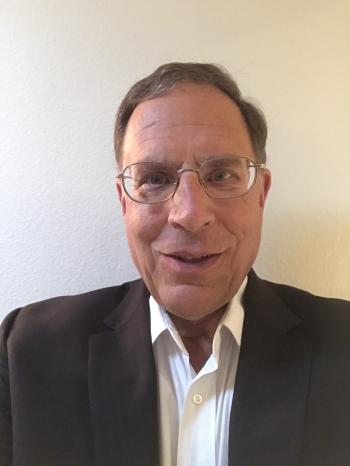
Richard "Reb" Benson, '77, Aerospace Technology
Deputy, Strategic Plans and Policy (Retired), United States Air Force
"I was in Crystal City, Virginia, about a mile from the Pentagon, on the morning of Sept. 11, 2001. From my office on the 12th floor, I heard a tremendous bang. At first, I thought a truck had badly offloaded a dumpster outside the building.
Then a coworker asked, 鈥榃hat鈥檚 going on at the Pentagon?鈥�
I looked out her window and saw what appeared to be an explosion near the Pentagon Power Plant, with smoke billowing into the sky. A moment later, she asked if I knew what was happening at the World Trade Center. As I watched the live television coverage, I saw the second airplane strike the second tower.
At that instant, I knew.
This was not an accident. We were under a coordinated terrorist attack, and the explosion I had heard and the smoke rising from the Pentagon were part of it.
Because of my aviation background and experience as an Air Force officer, I quickly understood what was happening and what needed to be done. The Pentagon had evacuated with the second plane inbound鈥攖he aircraft that ultimately crashed in Shanksville, Pennsylvania鈥攁nd later that morning and into the afternoon, Air Force personnel from the Pentagon came to our office until they could make arrangements to get home.
Our high-rise building was eventually told to evacuate, but we remained because traffic around the area had become completely gridlocked. There were also reports of secondary explosions at the Pentagon, fueling rumors that truck bombs were detonating around Washington.
I finally made my way home around 5:30 that evening. What I remember most vividly, beyond the explosion and the smoke, was what I did not see.
There was virtually no rush-hour traffic on the interstate. And there were no aircraft in the sky.
For someone with an aviation and Air Force background, that silence was profound. The only aircraft I could hear were fighter jets flying defensive missions over the nation's capital.
The days and weeks that followed brought the reality of the attack even closer. A couple of weeks later, I helped at an Air Force office near the Pentagon's impact area clear materials from the building. Fortunately, everyone in that office had made it out safely. I had been scheduled to attend a meeting there that morning, but it had been canceled at 7 a.m. Had it not been, I could have been in the Pentagon when the plane struck.
As a retired Air Force officer, I also remained prepared to be recalled to active duty if needed. Ultimately, I wasn't called back, but my subsequent work with the Air Force鈥攁s both a contractor and later in government civil service鈥攂ecame connected in various ways to the strategy surrounding the Global War on Terrorism.
The attacks also changed the way my family and I thought about emergencies. Our oldest daughter was living in Colorado and knew there was a possibility that I could have been in the Pentagon. She and my wife desperately tried to reach me, but the cellular networks were overwhelmed. When I finally reached my wife, I learned how frightened they had been. I then called our daughter.
After that, we created a plan for how our family would communicate during an emergency.
Twenty-five years later, I think about how much of what changed after Sept. 11 has become ordinary to subsequent generations. Airport gates, government buildings, sporting events and many other public spaces are accessed and secured differently because of what happened that day.
But those changes should never become so routine that we forget why they exist.
Sept. 11 changed not only the United States, but the world. It showed us that a terrorist attack of devastating scale could happen at any time if we were not vigilant. We have a responsibility to continue educating each generation about what happened, how people responded and, most importantly, the human toll.
We remember so that we understand the sacrifices made鈥攁nd so that we never take our security, our freedom or the people around us for granted."