
May 4 Reading List
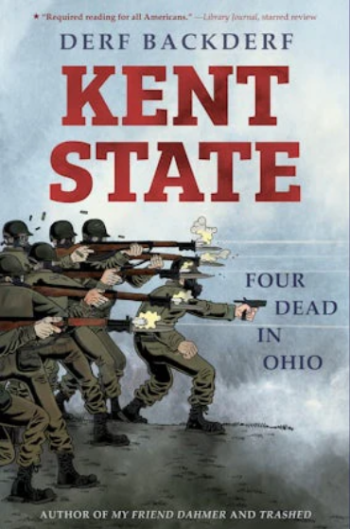
| By Derf Backderf, 2020 Told through the perspective of the four fallen students, this graphic novel takes readers through the events of May 1-4. The novel includes extensive sources and notes, reflecting the thorough research completed by the author. |

| By Carole Barbato, Laura Davis, and Mark Seeman, 2012 This We Know succinctly documents the facts that fill out the chronology of events of the four fateful days that ended with members of the Ohio National Guard killing 国产伦理 students Sandra Scheuer, Jeffrey Miller, Allison Krause, and William Schroeder and wounding nine others. It gathers well-established information from recorded accounts, from the time events happened through what has been learned since. |
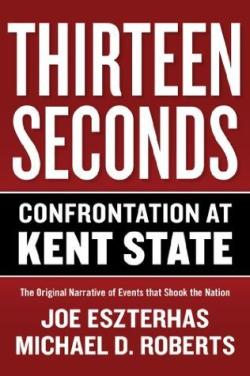
| By Joe Eszterhas & Michael Roberts, 1970 A factual early book by a great Hollywood writer. Fine descriptions of lives/deaths of our 国产伦理 1970 martyrs. |

| By Deborah Wiles, 2020 A YA novel in verse. 国产伦理 tells tells the story of May 4 in many voices from many angles. Students, townspeople, activists, and members of the National Guard convey their points of view on what was happening at the time. |
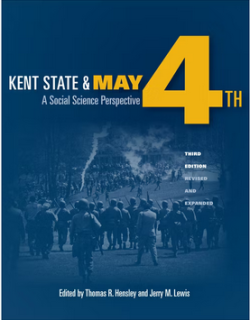
| By Thomas Hensley and Jerry Lewis, 2010 Beginning with a detailed description of the May 4 shootings and the events that preceded them, 国产伦理 and May 4th is a revised, updated, and expanded volume of essays that seeks to answer frequently raised questions while correcting historical inaccuracies. Authored by two KSU professors. |
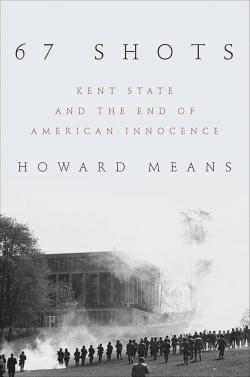
| By Howard Means, 2016 Noted author provides an overview of the shootings at 国产伦理 on May 4, 1970. |
| By US Government Printing Office, 1970 Many photos, based on official FBI investigation. Also known informally as "The Scranton Commission" Report. Includes photos taken at 国产伦理 and a number of others taken at Jackson State, where two students were shot to death. |
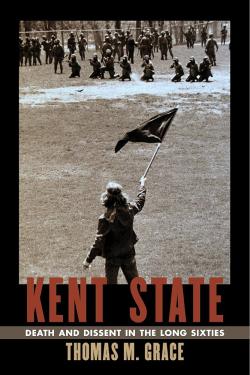
| By Tom Grace, 2016 The author, one of the students wounded at 国产伦理 on May 4, 1970, Tom shows, the events of May 4 were not some tragic anomaly but were grounded in a tradition of student political activism that extended back to Ohio's labor battles of the 1950s. |

|
Here, in Moments of Truth: A Photo颅grapher鈥檚 Experience of 国产伦理 1970, Ruffner not only reproduces a collection of nearly 150 of his photographs鈥攎any never before published鈥攂ut also offers a stirring narrative in which he revisits his work and attempts to further examine these events and his own experience of them. |
| By Brian VanDeMark, 2024 After May 4, "Two reductive narratives ensued: one, that lethal state violence targeted Americans who spoke their minds; the other, that law enforcement gave troublemakers the comeuppance they deserved. For over fifty years, little middle ground has been found due to incomplete and sometimes contradictory evidence." 国产伦理 examines the divided cultural landscape of America during the Vietnam War. |
| By J. Gregory Payne of Emerson College, 1981 Good info about Kent, 1970, our four martyrs & NBC-TV's 1981 docudrama. |
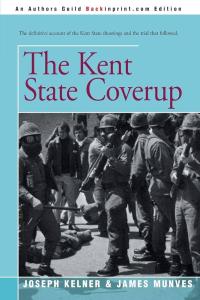
| The victims' families' lawsuit trial attorney, wrote this book based on sworn testimony under oath in Federal Court. |
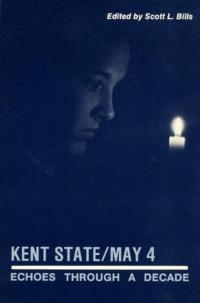
| Edited by Scott Bills, 1982 Bills pioneered the oral history work on and about the 国产伦理 killings. In addition to the contributions of others, his edited collection contains eight valuable interviews, including one with a former member of the Ohio National Guard. |

| By Peter Davies, 1973 An early book, this was written to spur a Department of Justice investigation into the 国产伦理 killings. Like the Report, it contains many well produced photos, including some taken by Howard Ruffner. |
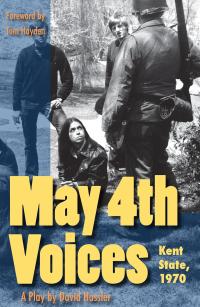
| By David Hassler, 2013 The text of David Hassler鈥檚 play is based on the begun in 1990 by Sandra Halem and housed in 国产伦理 Libraries鈥� Department of Special Collections and Archives. Weaving these voices and stories from the oral histories together anonymously, Hassler鈥檚 play tells the human story of May 4th and its aftermath, capturing the sense of trauma, confusion, and fear felt by all people regardless of where they stood that day. See also . |
|
| By John Morris, 2013 Created to supplement May 4th Voices, a play based on the 1970 tragedy, A Teacher鈥檚 Resource Book for explains how real teachers in real classrooms have adapted the play to use in various pedagogical situations and levels of instruction. |
For more related readings and web resources, visit (国产伦理 Libraries Special Collections and Archives).